Building Polestar’s digital design capability
I joined before the first cars reached the market, helping carry Polestar’s design thinking into digital products, services and internal capability.
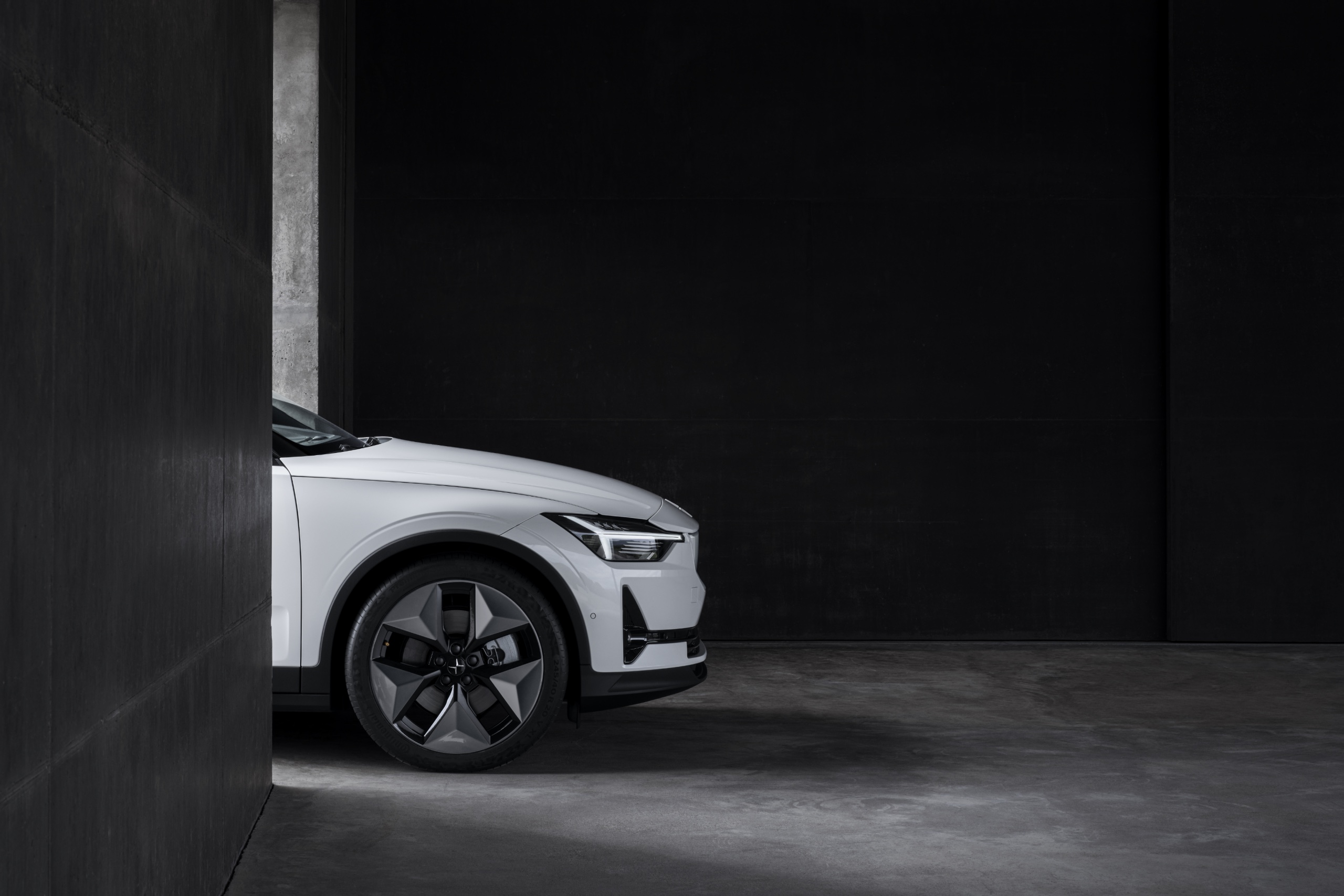
I joined Polestar before the first cars reached the market. The brand was clear, the ambition was high, and much of the organisation was still being built.
Polestar already had a strong design department with a distinct design language. My role was to help carry that thinking into digital products and services.
That translation was harder than it sounds.
Translating a design language
A design language can guide the shape of a car, the materials, the details and the overall expression. Digital products behave differently. They need rules for interaction, motion, feedback, hierarchy and change over time. A component library can support that work, but it does not define the experience on its own.
Several agencies and technology partners were working on different parts of Polestar’s digital ecosystem. Some focused on interfaces, others on components, design systems or development. They brought useful skills and helped the company move fast.
The risk was that too much knowledge would stay outside Polestar.
Building capability from within
We needed an internal team that could review the work, hold the direction and understand how the different parts connected. That team also needed enough knowledge to challenge an agency brief, question a technical choice and decide what Polestar should own.
A large part of my work focused on helping build that capability.
I worked with teams and managers on design reviews, roles and decision-making. We looked at which skills were needed inside the company and how Polestar could work with external partners without losing control of the work or the thinking behind it.
The aim was to bring more of the IP back in-house and make sure the organisation could continue developing the digital experience on its own.
My role changed as the company grew. I started close to product design, then moved into broader questions around services, customer journeys, technology and commerce.
Starting with the problem, not the feature
Many assignments started with a request for a feature.
The first task was often to understand whether the feature solved the right problem. Sometimes the real issue sat elsewhere in the customer journey. Sometimes the proposed solution made sense on paper but did not match how people were likely to use it.
I helped teams work through those questions with research, sketches and prototypes. Some ideas moved forward. Others were changed early, before they became expensive to build.
I also supported leaders with decisions around digital services and the future of buying cars online. The automotive industry was changing quickly, and many of the old assumptions around sales, ownership and customer contact were becoming less useful.
My job was to follow those changes and turn them into something the teams could use. What should Polestar build now? What should stay with a partner? Which customer habits were likely to change before a service reached the market?
An interface before the system was ready
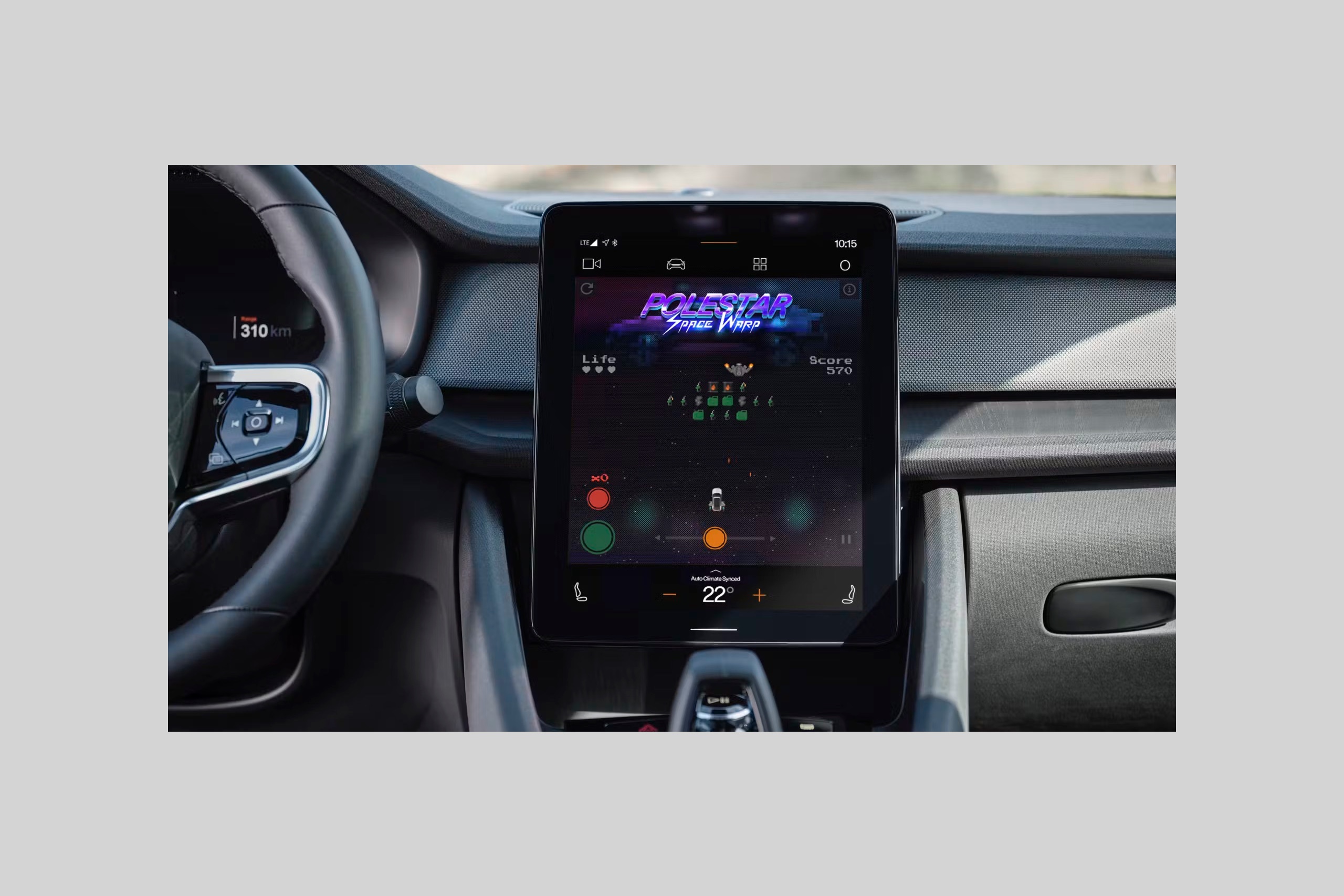
One of the more visible projects came before the final infotainment system was ready.
Polestar needed to show its cars at exhibitions and in showrooms around the world. The screen was installed in the car, but the full system behind it was still under development.
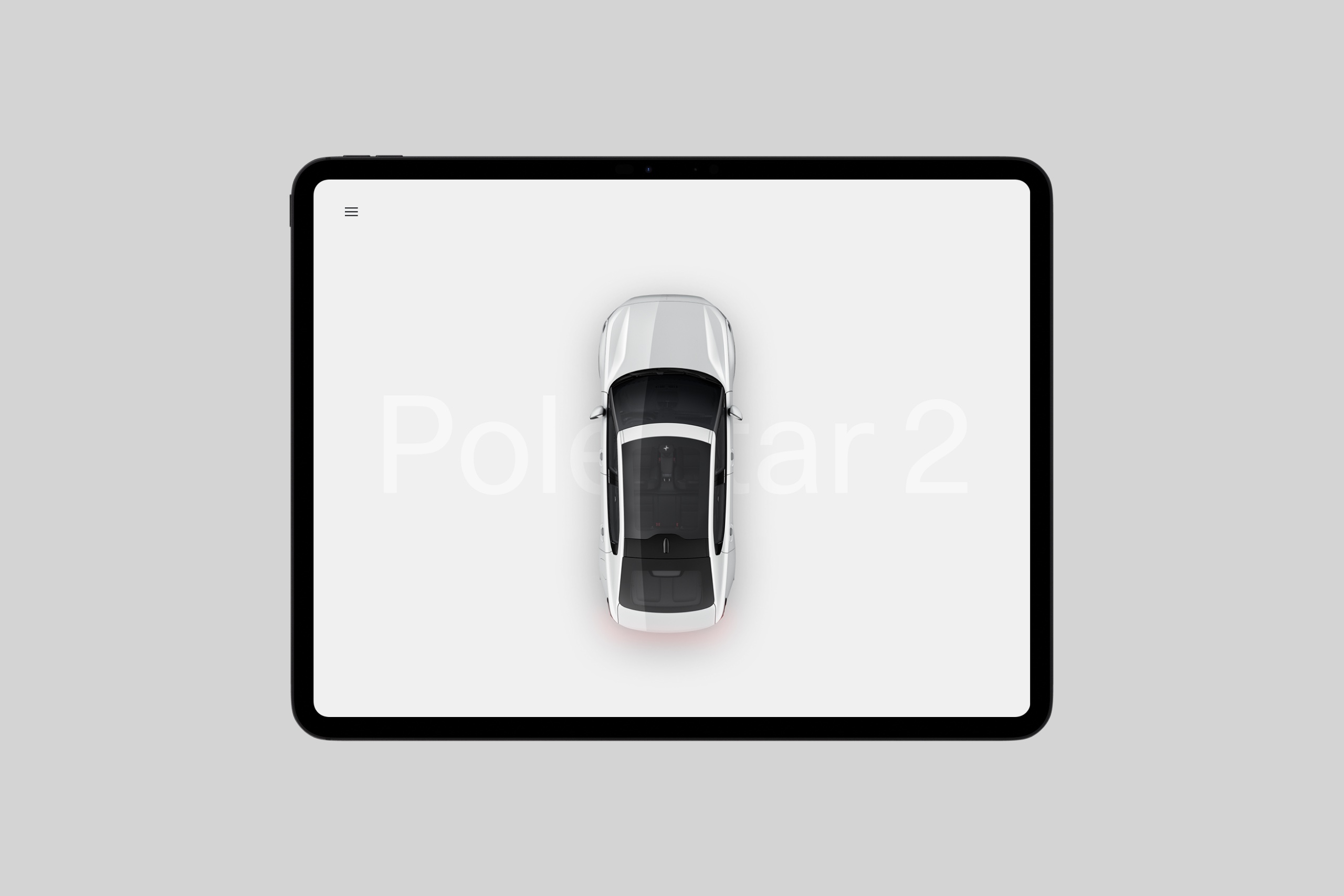
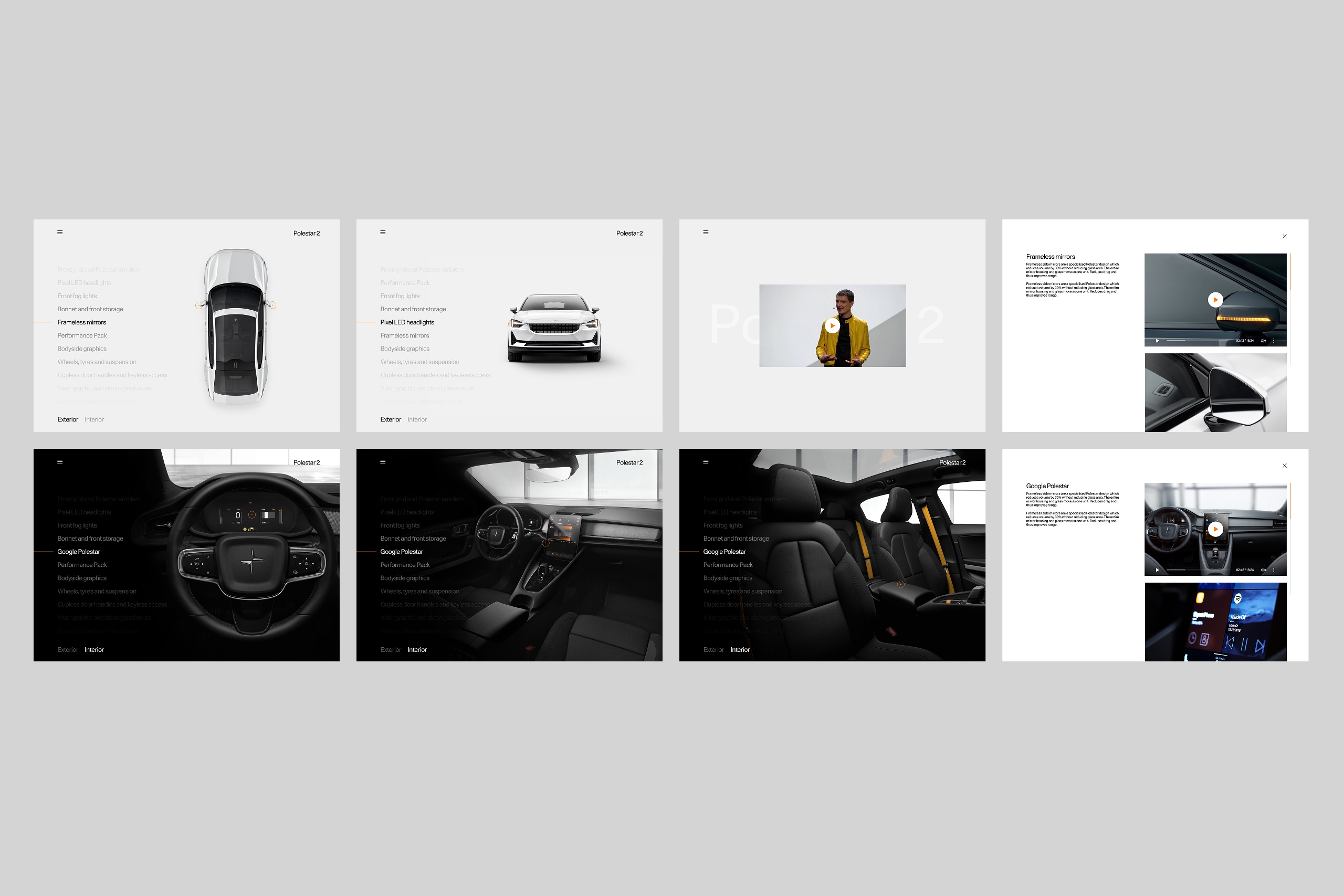
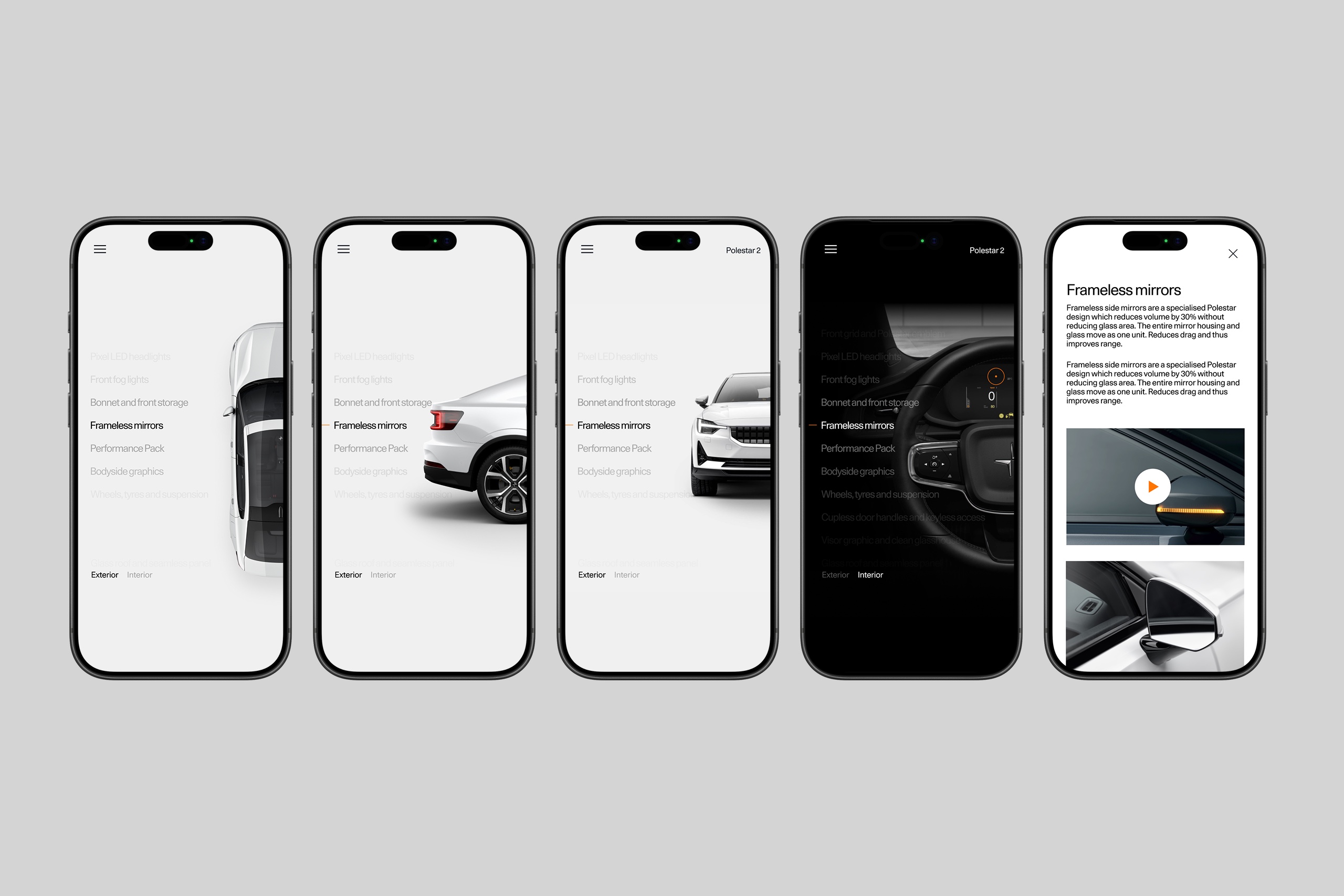
We built an interactive simulation of the in-car experience. Visitors could use the screen and get a sense of how the future interface might work.
I also designed and coded a small game inspired by Space Invaders, with an electric Polestar replacing the spaceship. It was a small part of the project, though it became one of the things people remembered. It drew attention at events and gave the media something unexpected to talk about.
One direction, different markets
Later, I supported the work between Polestar’s global organisation and the team in Shanghai.
The Chinese market had different platforms and customer habits. A direct copy of the Western experience would have missed too much of that context.
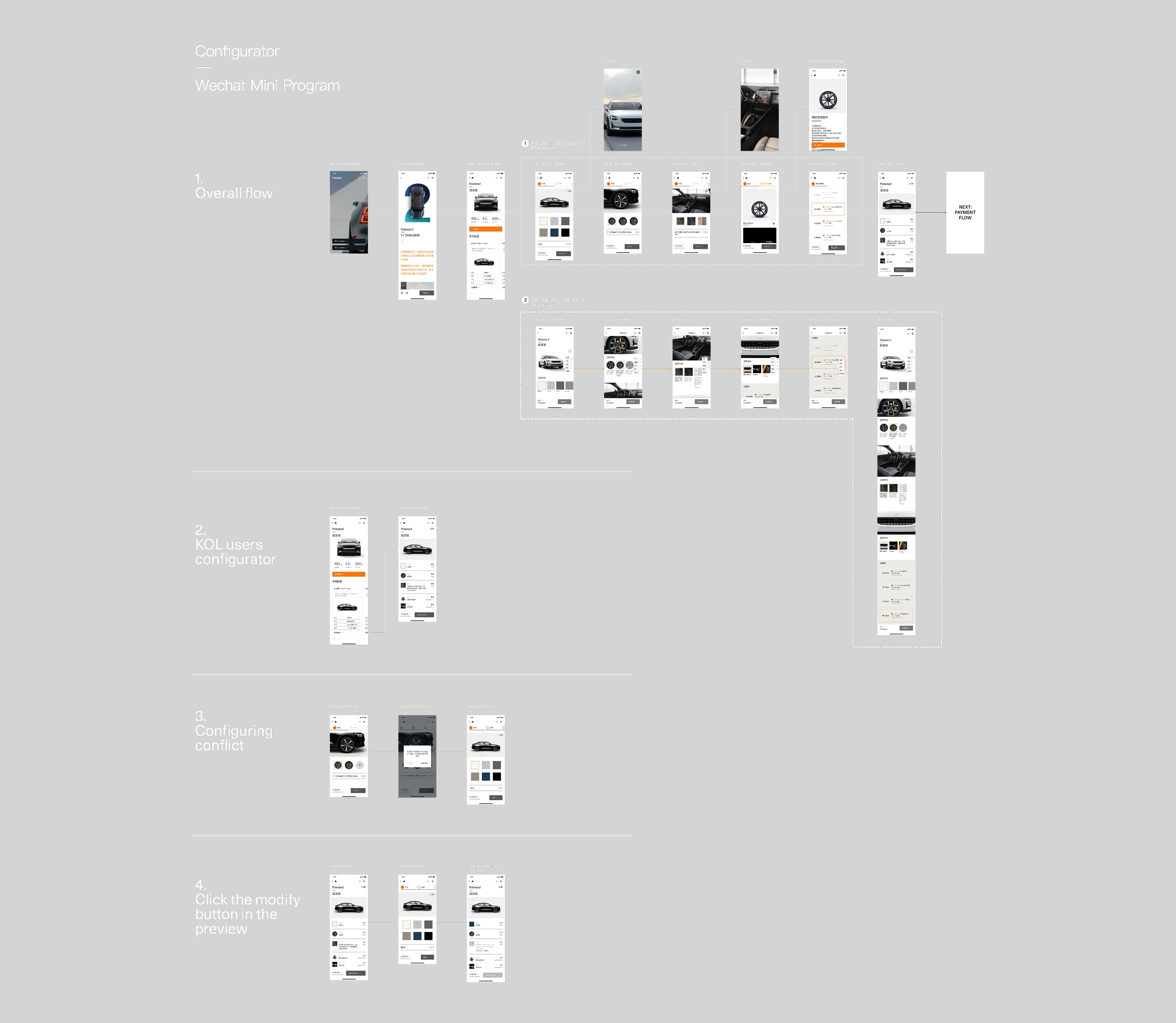
I helped the teams understand where the differences mattered and how the global direction could be adapted without losing the Polestar character. I stayed involved until the Shanghai team had a clearer way of working with the rest of the organisation.
What the work left behind
I spent close to two years at Polestar. The work covered design leadership, service design, concept development, research and organisational change.
Some of it was visible in prototypes, launch material and digital experiences. Much of it sat behind the scenes, in better decisions, stronger internal ownership and a team that could guide Polestar’s digital work without handing all of its knowledge to outside agencies.